
Okay, so check this out—wallets are more than keys. Wow! Most people think an Ethereum wallet is just a seed phrase, but that view is outdated and a little dangerous. My instinct said something felt off about treating a browser extension like a cold vault. Initially I thought the extension tradeoff was minor, but then I saw a few accounts drained in ways that made no sense at first, and that changed my mind.
Here’s the thing. Seriously? Browser extension wallets sit between you and a web full of smart contracts and phishing traps. They are convenient and they are risky. On one hand they enable instant DeFi interactions with a single click; on the other hand they increase your attack surface dramatically, especially across many chains where approvals can accumulate. I’m biased, but I prefer a wallet that gives clear visibility and control over approvals—call me old-fashioned.
Whoa! The landscape feels messy. Hmm… some of that mess comes from users treating every dApp the same way. At first it seemed like a UI problem, though actually the deeper issue is protocol and UX design colliding with human habits. So here’s what usually happens: people approve unlimited token allowances, forget about them, and then a compromised dApp drains funds later because the allowance persists across chains.
Small anecdote—once I saw a friend lose access to an airdrop because of an approval quirk on a bridge. Wow! That was avoidable. My first impression was that the bridge was broken; later I realized the real problem was how the wallet represented cross-chain approvals to the user. Strange, right? It took a few false starts to explain the nuance, because most wallets obfuscate which chain an approval applies to, and that ambiguity is exploitable.
Here’s the technical bit. Approvals and signatures are chain-specific but UI often merges them, making users think their permission was ephemeral when it was permanent. Wow! You need a wallet that surfaces approvals, shows contract addresses, and encourages revocation when you no longer need access. That simple transparency reduces a lot of risk, and I’ve seen it stop attacks in their tracks. I’m not 100% sure any single wallet solves everything, but good design goes a long way.
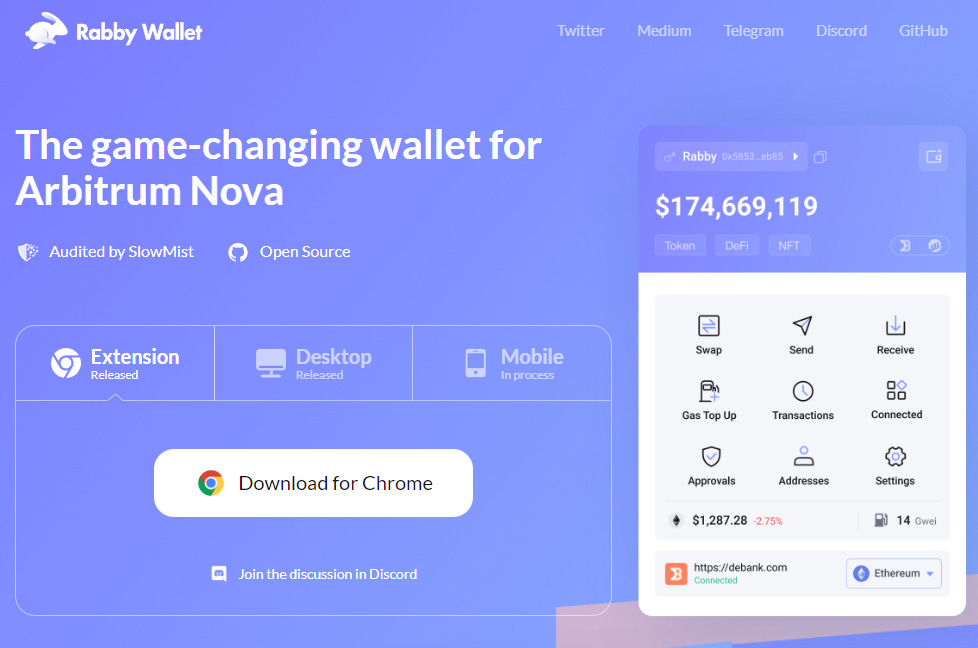
Choosing the right multi-chain browser extension
Here’s the practical part—if you’re using multiple chains you need a wallet that treats each chain distinctly and gives you granular control. Really? Yep. That means readable transaction prompts, an approval manager, and explicit chain indicators before you sign anything. Personally, I recommend checking out options that prioritize clarity over flash, and if you want to try a wallet that balances multi-chain convenience with clearer UX, consider a trusted download like rabby wallet download.
Okay, so think about wallet permissions like app permissions on your phone. Wow! You wouldn’t grant every app full access to your contacts and camera, right? The same principle applies here. Your wallet should show when a dApp is asking for unlimited allowance versus a single transaction approval. Initially I thought allowance prompts were fine, but then I realized most prompts are designed by engineers, not humans, and that mismatch matters.
Something else bugs me about the current state of approvals. Hmm… many wallets still bury the spender address behind a long hex string, or hide the contract name. That earns attackers more time, and that is exactly what they need. I’ve trained myself to always click the contract link, verify on a block explorer, and if somethin’ feels off I revoke immediately. It’s tedious but it works, and UX can nudge users toward that habit with better affordances.
Seriously? Security isn’t only about encryption; it’s about behavioral design and friction where needed. Wow! A good extension creates friction for dangerous actions and removes friction for safe ones. Initially I thought friction was always bad, but then I saw a popup that forced a user to confirm the contract address twice, which prevented a scam. Little checks like that are surprisingly effective.
On the topic of multi-chain support, here’s a nuance many miss. Chains differ in how they expose transaction data, and cross-chain bridges introduce state that wallets must track securely. Wow! When a wallet pretends all chains are identical, users get confused and mistakes happen. My instinct says a reliable extension keeps chain context front-and-center, so you always know which network you’re signing on.
I’ll be honest—there’s a UX balancing act between educating users and overwhelming them. Hmm… too many warnings become noise, and too few warnings are dangerous. So the best wallets use progressive disclosure: show essential info clearly, but let power users dive deeper into contract data. That design pattern works in banking apps and it works for DeFi too, though adoption among wallets is uneven.
Here’s a practical checklist I use before connecting any dApp. Wow! First, check the network label and RPC; second, inspect the contract address on a block explorer; third, avoid unlimited allowances when possible; fourth, use approval managers to revoke unnecessary permissions; fifth, consider hardware-backed signing for large sums. This routine saved me from a handful of sketchy approvals, and it becomes second nature after a week or two.
Something else that matters: session management. Really? Yeah. Extensions that allow session isolation or per-dApp profiles reduce cross-contamination risks. At one point I ran separate browser profiles for experimental dApps, and that separation prevented a phish from compromising my main account. It was extra work, but when you care about security, extra work pays off.
My instinct says there will never be a perfect wallet, because attackers keep evolving. Wow! That’s why updates and an active security team matter more than a pretty UI. Initially I favored wallets with flashy features, but then I realized the ones with bug bounties and open security reports actually perform better when things go sideways. So check a project’s security posture before you commit lots of funds.
Here’s what to do after a breach or suspicious activity. Wow! Revoke allowances immediately, move your remaining funds to a fresh wallet, and rotate any linked services. I’m not 100% sure about rebuilding complex positions quickly, but freezing activity and reducing exposure gives you time to plan. Oh, and document everything—support teams sometimes need transaction hashes to help.
People ask about hardware wallets and extensions. Hmm… hardware wallets are great for cold storage, and combining one with an extension can be powerful. However, the integration must be seamless and the extension shouldn’t undermine the hardware’s protections by mishandling transaction metadata. That interplay is somethin’ developers often under-invest in, which is frustrating.
Here’s a closing thought. Wow! Your wallet choice shapes your DeFi experience every single day. I’m biased toward tools that force better habits through design and clarity, rather than those that simply offer more chains or features. The ecosystem needs more humane design choices, and we should reward teams that prioritize security and user understanding over growth at all costs.
FAQ
How do I reduce approval-related risks?
Revoke unused allowances, avoid unlimited approvals, and use the approval manager built into your wallet to audit grants regularly; also verify spender addresses on a block explorer before approving anything.
Is a multi-chain extension safe for large holdings?
It depends—use hardware signing for large holdings, choose wallets with transparent security practices, and separate funds across wallets or profiles to limit blast radius.
Which features make a wallet trustworthy?
Readable transaction prompts, clear chain context, an approval revocation UI, open security disclosures, and active maintenance and bug bounties are all strong indicators.