
Here’s the thing. I used to shrug at MEV talk. It sounded academic and kinda remote, like something happening in the back room of the exchange world. But then I watched a small trade on Main Street Ethereum get sandwiched and lose money before my eyes, and that changed my view—fast.
Short version: MEV can quietly erode user funds. Long version: it warps incentives, poisons UX, and turns predictable on-chain actions into risky gambles if you’re not careful. My instinct said this was solvable at the protocol level. Initially I thought miners/validators would fix it, but then realized that wallets and relayers are the practical choke points where real people can be protected, right now.
Whoa—this is messy. Seriously? Yes. MEV isn’t just a nerdy economics problem; it’s user experience rot. On one hand, large actors extract value from regular traders. On the other hand, efforts to eliminate MEV wholesale can hurt throughput and decentralization. Though actually, there are pragmatic middle paths that prioritize users without breaking the chain.
Okay, so check this out—smart wallets can do more than show balances. They can simulate, re-order, route, and privately relay transactions to minimize extractable value. That matters if you interact with DeFi often, or if you move significant capital. I’m biased, but a good wallet changes outcomes materially.
How MEV Works — briefly, and without the math lecture
Picture this: you submit a swap for $10K. A bot sees it in the mempool, inserts a buy before yours, pushes price up, and then sells after you—your trade executes at a worse rate while the bot pockets the spread. That’s a sandwich attack. Simple in concept, painful in practice. Hmm… somethin’ about watching that happen repeatedly makes you stop treating on-chain trades as deterministic.
There are other flavors — frontrunning, backrunning, liquidation ordering — but the common thread is transaction visibility and reorderability. Validators and miners can sequence and include txs however they like. The mempool is the leak. Private relays and Flashbots-style bundles try to close that leak by letting you send transactions off-public-mempool directly to block proposers.
But wait—before we get carried away: private relays are not a silver bullet. They centralize paths to block builders and require trust or economic incentives. So the question becomes: how do you give users strong protection without trading one risk for another?
Here’s where wallets step up. A wallet that simulates and routes, and that integrates with privacy-preserving relays, can reduce MEV exposure while keeping users in control. It is not theoretical. You can feel the difference in slippage saved and failed txs avoided. And yeah, some of this is subtle until you see numbers—then it’s obvious.
What a Wallet Should Do — practical protections, not academic promises
First: transaction simulation. Before a tx leaves your device, the wallet should run it against a current chain state and model how miners could reorder or sandwich it. This helps estimate worst-case slippage and probable gas burn. If the wallet can surface that to you as a clear risk metric, you can decide to proceed or adjust. That feature is critical for DeFi power users and casuals alike.
Second: private submission options. Sending a bundle via a private relay reduces your exposure to opportunistic bots watching the public mempool. That doesn’t mean sending everything through a single wormhole; a smart wallet offers multiple relayer paths and fallback behavior. On one hand this reduces front-running, though actually you must weigh latency and fees too.
Third: smart gas strategies. The wallet can suggest gas settings that minimize inclusion latency without overpaying, and it can opt for EIP-1559 tweaks when that helps. This part bugs me when wallets hide gas choices behind one-click defaults. Show the trade-offs. Let users choose—some want speed, some want savings.
Fourth: permission hygiene. Approve-all tokens and unlimited allowances are still a huge attack surface. A wallet should make it very easy to set tight approvals and to simulate the contract call you’re about to approve. If you can see the exact function signature and the contract’s expected behavior, you avoid many risk vectors that MEV actors sometimes exploit indirectly.
Finally: UX that nudges better behavior. People are impatient. So wallets that present clear pre-tx warnings, easy-to-understand simulations, and simple options (like “use private relay”) will protect users more than perfect-but-hidden tech. Behavioral design matters here. Very very important.
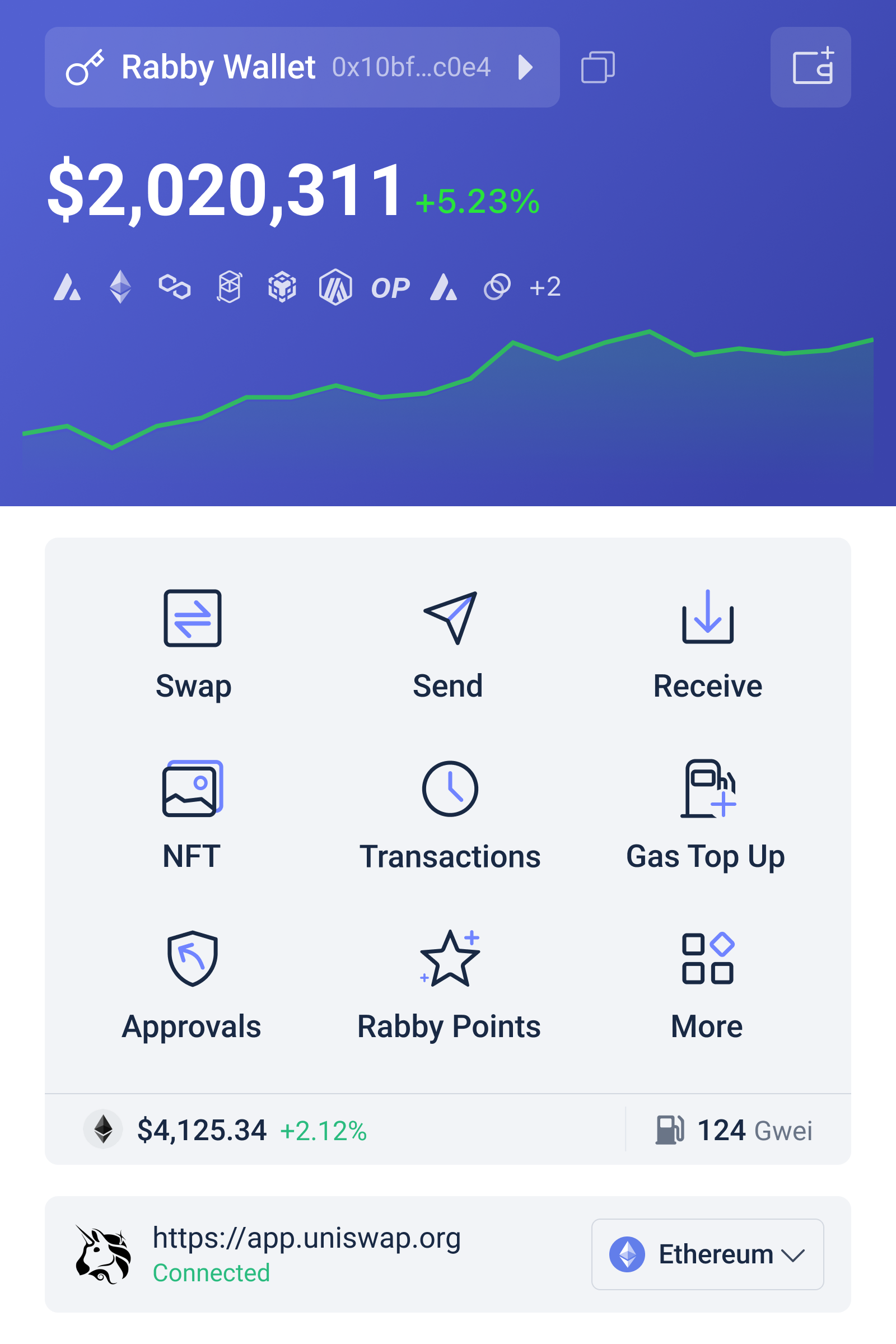
At this point you might be wondering which wallets do this well. I won’t pretend every app is equal, but certain wallets combine simulation, private relay access, and intuitive UX into a coherent product. One you should check out is rabby wallet, which integrates transaction simulation and safer contract interactions into the flow so users get protected by default—without being crypto PhDs.
Tradeoffs and real-world caveats
Okay—some nuance. Private relays can reduce visible MEV, but they sometimes shift power toward builders. Not ideal. Initially I thought removing public mempools would solve everything; then I realized that centralization harms long-term health. There’s not a free lunch.
Also, simulations are only as good as your data and assumptions. They use current state and probable behaviors; sudden oracle moves or batch auctions can make simulated outcomes inaccurate. So strategies should build in margin and fallbacks. I’m not 100% sure we can ever get perfect forecasts—no one can—but the goal is reducing surprise, not eliminating it.
Latency matters too. If your wallet tries to be ultra-conservative and routes everything through slow channels, users will complain. UX tradeoffs are constant. On the balance, protecting users from losing value is usually worth a slightly longer wait, though different audiences will disagree.
One ethical bit: some MEV extraction can be redistributed as rebates or used to subsidize network security. That’s a whole separate debate. For everyday users though, the priority should be predictable outcomes and minimal extractive loss.
FAQ
Q: Can a wallet eliminate MEV entirely?
No. You can’t remove MEV without changing consensus or trading off decentralization. But a wallet can greatly reduce exposure for individual users through simulation, private submission, and better UX.
Q: Will simulation slow my transactions?
Simulations add a few hundred milliseconds or more depending on complexity and network queries. For most users that’s imperceptible. The benefit is fewer surprise losses and fewer wasted gas retries, so it’s usually a net time-saver.
Q: Should I always use private relays?
Not always. Private relays reduce mempool visibility, but they require trust in the relay and can add latency or fees. A balanced approach is to use them for large or sensitive trades and use public submission for trivial ops.
I’ll be honest—this space is evolving fast. New bundling protocols, proposer-builder separation work, and on-chain auctions will shift the landscape. Some solutions will prove ephemeral. But wallets that treat MEV as a user protection problem rather than just a research topic are giving people a real advantage, today. So check your wallet’s features. Ask whether it simulates transactions. Ask about private relays. And don’t accept bad UX as the unavoidable cost of DeFi.
One last thought: if you trade often, treat your wallet like a safety helmet. It won’t prevent every scrape, but it reduces the bruises you take. And in crypto, bruises add up—fast, and then sometimes very painfully.