
Whoa, this stuff is wild. I got sucked into a session testing multi-chain wallets last night; somethin’ felt off. My first impression was: convenience nailed it, but security felt thin. Initially I thought all extensions were roughly the same, though then a few design choices and transaction flows revealed real differences that mattered when you started bridging funds and interacting with complex smart contracts across chains. So I dug deeper into UX, permissions, and gas rules.
Really, that’s right. One wallet did chain detection differently and prompted me sooner. Another offered gas-saving tips inline but had a confusing approval flow. After mapping several interactions, I realized that small UX differences compounded into risk when users clicked through permissions without understanding on-chain context or valid allowances. That change in behavior, subtle as it was, mattered.
Hmm… not great. I started building a checklist from memory and experience. Things like permission granularity, transaction simulation, and rejecting erroneous chain switches. On one hand, power users want full control and multiple chain support, though actually novices need guardrails and clearer nudges to prevent accidental approvals or sending tokens to unsupported networks which often leads to lost funds. That tension is the core product problem for most wallets.
Okay—so check this out. Rabby nailed several of these checks when I used it. I liked the transaction preview and the way approvals were scoped. When a dApp requested approval, the wallet separated contract calls and displayed exact allowance intent, which made me much less likely to click through and leave broad approvals enabled across multiple tokens. It felt thoughtful, not flashy, and offered sensible defaults.
Seriously, I was impressed. Browser extensions still carry surface area risks, though the right design reduces human error. Sandboxing, permission prompts, and clear labels all help reduce mistakes. If a user trusts an extension implicitly because it has a known logo, but the extension permits unlimited allowances by default, then a single compromised dApp flow can vacuum up tokens across chains without obvious traces for weeks. So every permission dialogue should be a micro-education moment.
I’m biased, but… Rabby’s multi-chain approach reduced friction when switching networks for me. It kept separate accounts per chain while still letting me view aggregated balances. This balance—between segregation for safety and aggregation for clarity—helps users see risk concentration without forcing them into awkward manual accounting across ten different token lists and custom RPC endpoints. For teams and power users, that clarity matters a lot.
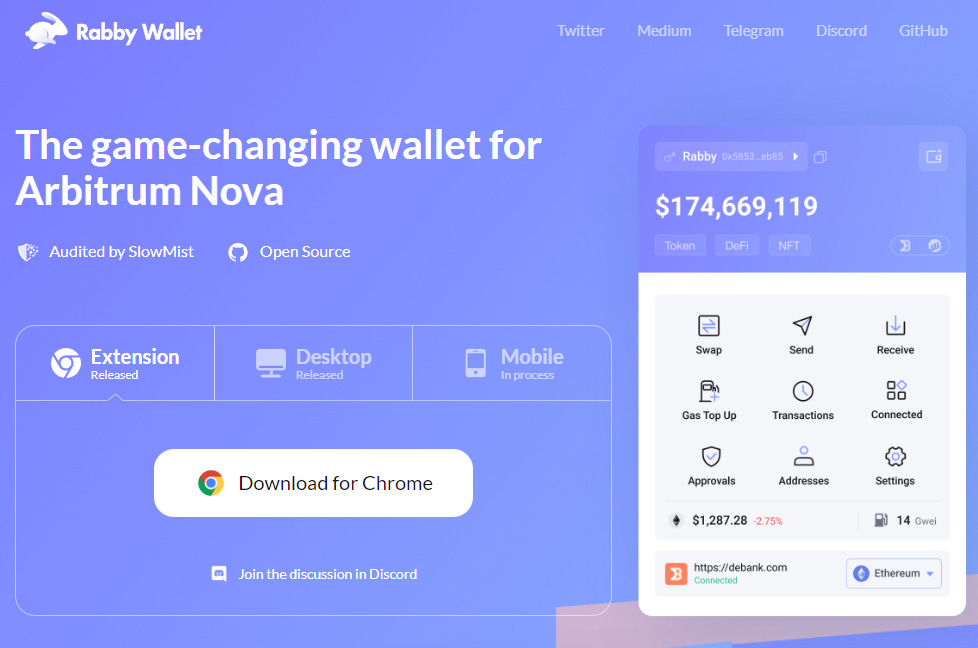
Wow, gas matters. Multi-chain wallets need gas optimization heuristics baked in now. Simple suggestions like choosing the right fee tier save users money and time. Rabby implements tactics like batching, fee recommendations, and cross-chain routing hints which are subtle but cumulatively valuable when someone transacts dozens of times a week across L2s and sidechains. Those micro-improvements compound fast and become meaningful over time.
Here’s the thing. Privacy and metadata leakage remain unsolved in many wallets. Even with separate accounts, transaction fingerprints expose behavior patterns. So wallets that offer optional features like transaction grouping, obfuscated nonce management, and guidance on privacy-preserving routers help users who care about front-running and deanonymization risks. Not every user needs this, though many do now.
Oh, and by the way… Integration with DEXs, bridges, and hardware wallets is crucial. Rabby supports multiple connectors including ledger-style devices natively and via heuristics. That flexibility means you can hold keys in an air-gapped device while enjoying the convenience of extension UX for everyday interactions without compromising the high-assurance storage model. This hybrid model is very very important for serious users.
I’m not 100% sure, but… No wallet is a silver bullet; each tradeoff matters. Rabby reduces many common pitfalls though nothing eliminates human error. If an attacker convinces a user to approve a malicious allowance through social engineering or a phishing dApp, even the best UI can’t reverse a signed transaction, so education and default safe behaviors are critical complements to product features. So I recommend pairing good tooling with user training and hardware backups.
Try a safer extension
If you want a pragmatic multi-chain extension that thinks about permissions, gas, and UX, try the rabby wallet. Back up keys, use hardware devices for large holdings, and check origins. Don’t skip permission details even if a dApp looks polished. For me, that combination of sensible defaults, multi-chain clarity, and hardware support — plus a wallet that educates rather than blinds users with a flashy onboarding flow — is what separates the tools I trust from those I avoid.
Frequently asked questions
What makes a wallet “multi-chain”?
It means the wallet can manage assets and sign transactions across different blockchain networks without forcing the user to maintain disconnected setups. Practically speaking, multi-chain wallets handle network switching, token lists, and RPC endpoints while presenting a coherent UI so users don’t lose track of which chain they’re transacting on.
How should I think about security vs convenience?
Short answer: balance them. Use hardware for big balances and a well-audited extension for day-to-day activity. Trust defaults that minimize blast radius, review allowances, and treat permission dialogs like small quizzes rather than mere annoyances. Over time those habits pay off.